
Protect the Head!
The Link Between Concussions, Brain Inflammation, and PANS/PANDAS

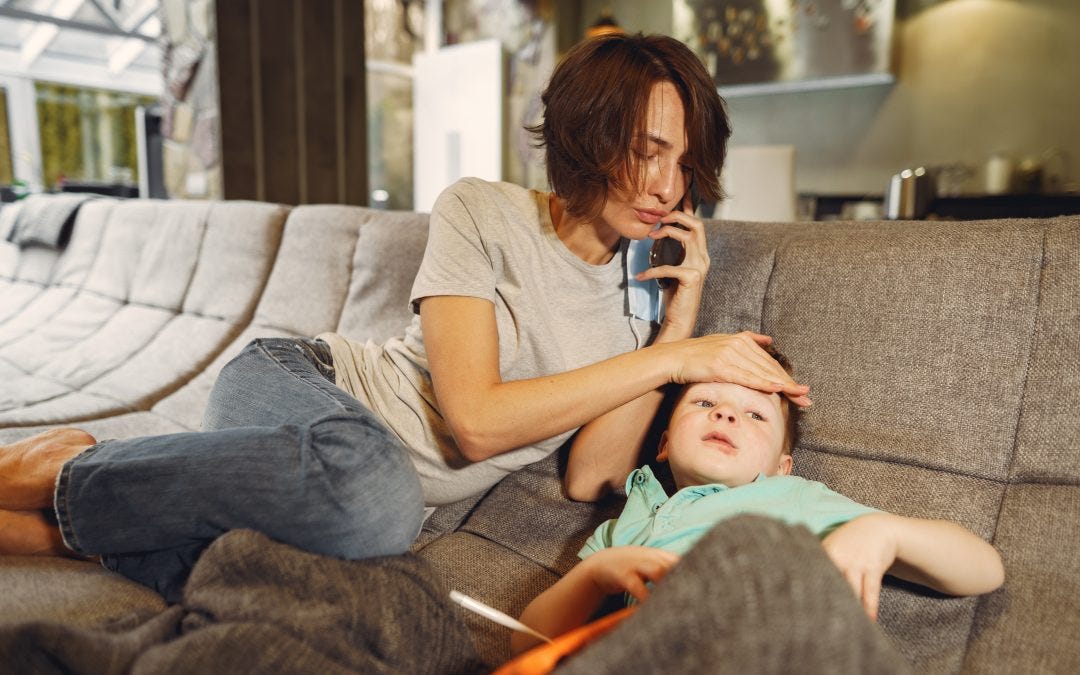
Photo credit: prostooleh on Freepik
Concussions and the Blood Brain Barrier
When I was growing up, concussions were viewed and treated very differently than they are now. I have likely had several concussions as a child, but a “bump on the head” wouldn’t have been seen as a reason to visit the doctor. My husband, well before we were married, was thought to have received a concussion (he actually had a broken sinus cavity), and I was instructed to wake him up every two hours during the night, as the fear was that he would fall asleep and not wake up. Today, people recovering from concussions are advised to get as much sleep and rest as they can.
Concussions can be a very serious injury on their own, so why am I concerned with the possible relationship with PANS/PANDAS? Well, concussions often damage the blood-brain barrier, allowing for pathogens to enter the basal ganglia and cause symptoms similar to PANS/PANDAS symptoms. Although there is not much research for the effects of concussions on PANS/PANDAS sufferers, nor if concussions can cause the initial onset of symptoms, but based on the nature of this injury, concussions seem like something parents of PANS/PANDAS kids should be concerned about preventing.
Also known as the BBB, the blood-brain barrier is what protects the brain from other molecules in the body. It acts as a membrane–a guardian–to ensure that things like cells from the immune system or pathogens can’t hurt the brain. With a leaking BBB, it allows for PANS/PANDAS symptoms to potentially get worse.
Symptom Overlap
Thanks to their sports, my kids have had several concussions between the three of them. Even though they were cleared to return to sport by their medical doctors, after each injury, their PANS/PANDAS symptoms seemed to worsen. To this day, I am still not sure if those symptoms arose because of the concussions themselves or if the concussions made the PANS/PANDAS symptoms increase. Given that both PANS/PANDAS and concussions directly affect the brain, it makes sense that there’s an overlap in symptoms, but with the lack of research, we can’t be certain if there’s any connection, however, it is something that should be investigated.
For reference, here is a list of some concussion symptoms:
Confusion and/or disorientation
Difficulty concentrating
Reduced cognitive function
Pain in head (either constant or accompanied by a certain eye or neck movement)
Headaches and neck pain (whiplash often occurs on impact)
Difficulties with memory
Dizziness, nausea and/or vomiting
Loss of balance
Fatigue
Inability to sleep (a restless night after the impact is a big indicator)
Difficulty regulating emotions
Anger, agitation, or irritability
Heightened anxiety
Depression, sadness, or loss of motivation
Sensitivity to light and/or sound
As you may notice, several of these symptoms are also symptoms of PANS/PANDAS, especially the ones pertaining to emotions or cognitive function.
This may explain why it was so easy for my kids to get concussions. Yes, they were in high-performance sports where injury was common, but it didn’t take that hard of a hit for them to start showing symptoms. My eldest in particular got them very frequently, and after their last one, they had chronic headaches for over a year. Concussion symptoms should only last 2-6 weeks, so this, as you can likely guess, was very concerning (after taking them to many different specialists, they’re finally doing better). It does make me wonder, however, if these symptoms were prolonged because of PANS/PANDAS.
Bottom Line? Protect the Head!
Because of my family’s experiences with concussions, I have been hyper-vigilant when there’s a potential for a head injury. Ever since the first concussion, I’ve been teaching my kids to cover their heads when they’re at risk of being hit, or to avoid dangerous situations altogether. Even light bumps need to be assessed and monitored. Sometimes small symptoms from a bump, if not addressed, can lead to more severe concussion symptoms and longer recovery. As a PANS/PANDAS parent, I feel that keeping the brain as safe as possible starts with keeping the head safe – Protect the head from the outside!
…
Never give up; search for the root, and find the answers!
Until next time, stay on your path of discovery,
Nancy Lawrynowicz
…
Disclaimer:
The medical/health information provided is for general informational and educational purposes only and is not a substitute for professional advice.
…
Resources:
CDC – “Concussion Signs and Symptoms”
Dr. Roseann – “Concussion Basics: A Parent’s Guide”
Multiple Sclerosis Trust – “Blood-Brain Barrier”
Epidemic Answers – “PANS PANDAS”
“A breach in the blood-brain barrier”
“What Happened to My Child?? Part II: Potential Causes of PANS/PANDAS”